











License & Permit Management for Car Wash Chains
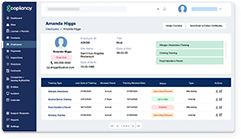
Car wash chains are one of the fastest-growing multi-unit retail segments in the United States, with private-equity-backed roll-ups and major franchisors expanding aggressively. With growth comes complexity. A modern car wash — especially express tunnel and full-service operations — carries a permit stack covering business licensing, water discharge, stormwater management, hazardous waste handling (for cleaning chemicals), air quality (for drying systems), signage, building occupancy, and sales tax registration. Multi-location operators with 25, 50, or 200+ locations across multiple states face a compliance environment that few legacy operators were prepared for. This guide explains how multi-location car wash operators handle the workflow and how Copliancy supports it.
Car wash chains face a compliance environment that surprises many operators. The base business licensing is straightforward, but the environmental, water discharge, hazardous materials, and air quality layers create real complexity. A modern express tunnel car wash typically carries: city or county business license, sales tax registration, water discharge permit (NPDES or state-equivalent), stormwater permit, sanitary sewer connection permit, hazardous waste generator status (for cleaning chemical handling), air quality permits in stricter jurisdictions (for drying tunnel emissions), exterior sign permits, certificate of occupancy, fire safety inspection certifications, and locations with vacuum services or detail bays may have additional vehicle-service-related licensing. Multi-location operators with 25-200+ locations across multiple states navigate dramatically different environmental rules per jurisdiction — California, Washington, Oregon, and New York have notably stricter water discharge requirements than most southern and midwestern states. Equipment changes, expansion to new services (detailing, oil changes, tire services), and renovations all trigger permit work. Centralized tracking is critical as private-equity-backed roll-ups have built portfolios of 50-300+ locations through acquisition. Copliancy supports multi-location car wash operators with per-location permit tracking, environmental compliance documentation, payment tracking with AP integration, and aggregate visibility for ownership and regulatory review.
Car Wash Compliance: Why It’s Different
Car washes differ from typical retail or restaurant operations in compliance-relevant ways:
- Water-intensive operations. Tunnel car washes use 25-75 gallons per car. Some recycle aggressively. All face water discharge regulation.
- Chemical handling. Detergents, brighteners, drying agents, tire shines, and other cleaning chemicals are managed as hazardous materials in many jurisdictions.
- Vehicle waste. Used oil, brake dust, road salt, and other vehicle-residue contaminants enter the wash water and must be managed in compliance with discharge requirements.
- Air quality considerations. Drying tunnel emissions, chemical aerosols, and vapor recovery face air quality regulation in stricter jurisdictions (notably South Coast AQMD in Southern California).
- Stormwater impact. Even outside of operational discharge, car wash sites face stormwater management requirements during heavy rain events.
- Tunnel safety. Tunnel equipment (conveyors, brushes, blowers) involves moving machinery and confined spaces requiring OSHA-compliant safety practices.
- Service expansion. Operators expanding into detailing, oil changes, or minor service face additional automotive service licensing.
Permit Categories Multi-Location Car Wash Operators Track
City or county business license. State sales tax registration. Renewal cycles per jurisdiction. Fees often tied to gross receipts.
Building department certificate confirming legal use. Modifications to the site (adding bays, expanding tunnel, adding services) trigger updated CO.
NPDES permit (federal program administered through states) or state-equivalent for discharge of wash water to municipal sewer or surface water. Annual reporting often required.
Municipal authorization to discharge wash water to the sanitary sewer system. Pretreatment requirements common — oil/water separators, sediment traps.
Industrial stormwater permit or general permit coverage. Site stormwater management plans, sampling, and reporting in some jurisdictions.
EPA generator status (CESQG, SQG, or LQG depending on volume) for cleaning chemical management. State environmental agency registration. Manifest tracking for disposal.
In strict air quality jurisdictions (South Coast AQMD, Bay Area AQMD, certain northeastern jurisdictions), drying tunnel emissions and chemical aerosols may require air permits.
Exterior signage requires city sign permits. Pylon signs, monument signs, and building-mounted signs all require approval. Updates trigger re-permitting.
For operators offering oil change, tire services, or vehicle inspections in addition to wash. State-by-state automotive service licensing applies.
Environmental Compliance: The Hard Part
The environmental layer is where car wash compliance gets serious. Most operational risk and regulatory exposure lives here:
- Pretreatment requirements. Most municipal sewer authorities require pretreatment of wash water before discharge — typically through oil/water separators and sediment traps. Pretreatment equipment must be inspected, serviced, and pumping records maintained.
- Sampling and reporting. Some jurisdictions require periodic effluent sampling with laboratory analysis. Results reported to the sewer authority. Exceedances trigger fines and corrective action requirements.
- Stormwater compliance. Industrial stormwater general permits (or equivalent) require site management plans, periodic inspections, sampling at certain locations, and recordkeeping.
- Spill prevention. Spill Prevention Control and Countermeasure (SPCC) plans required for sites storing significant quantities of oils or hazardous materials. Plans must be reviewed and updated periodically.
- Hazardous waste manifesting. Disposal of used cleaning chemicals, spent solvents, or contaminated water residues requires manifested transport with retained documentation.
- Underground storage tanks (UST). Sites with USTs for cleaning chemical storage face UST compliance requirements — tank registration, leak detection, periodic inspection, financial responsibility documentation.
- Air emissions inventory. In strict air quality jurisdictions, annual emissions inventories may be required reporting drying tunnel emissions, chemical aerosols, and VOC releases.
Environmental violations are expensive. Pretreatment violations alone routinely cost tens of thousands of dollars per occurrence. Stormwater violations can be even higher. Multi-location operators face the math of multiplying any per-location compliance gap across the portfolio.
Multi-Location Car Wash Compliance Challenges
Private-equity-backed roll-ups acquire dozens of legacy car washes with inconsistent compliance practices. Integration requires inventorying every permit and bringing each site up to current standards.
California, Washington, Oregon, New York have notably stricter water discharge and stormwater rules than most southern and midwestern states. Multi-state operators navigate each.
Upgrading tunnels, adding vacuums, expanding service offerings triggers permit work. Without centralized tracking, upgrades happen without permit updates.
Oil/water separator pumping records and sediment trap cleaning records required for inspections. Records lost during management changes create compliance gaps.
SPCC plans must be reviewed every five years and updated when site conditions change. Outdated plans are a common finding in EPA inspections.
Volume of hazardous waste generated affects generator status (CESQG, SQG, LQG). Operations changes can push sites into higher categories with stricter requirements.
How Copliancy Handles Car Wash Compliance
Each car wash location has a complete record of business license, environmental permits, building approvals, sign permits, and operational certifications. Searchable across the portfolio.
NPDES permits, stormwater permits, SPCC plans, hazardous waste generator registrations, air quality permits all tracked with renewal cycles, reporting deadlines, and supporting documentation.
Oil/water separator pumping records, sediment trap cleaning records, and pretreatment equipment service all tracked per location. Records ready for sewer authority inspection.
When acquiring car wash locations, integration workflows capture existing permits and identify gaps. New acquisitions get to standardized compliance baseline quickly.
Each location configured with applicable jurisdictional rules. Environmental compliance tracking aligned to local requirements. Reporting deadlines tied to jurisdiction-specific cycles.
Equipment upgrades and service additions trigger permit-work tasks. New tunnel, new vacuums, new service bays automatically flag affected permits.
Permit fees and inspection fees flow through AP approval. Payment status visible per permit. Eliminates surprise unpaid renewals.
Permit certificates, inspection reports, SPCC plans, sampling results, and correspondence attached to each record. SharePoint and Dropbox integrations supported.
Portfolio reporting on permit status, environmental compliance, upcoming renewals, and inspection patterns. Ready for ownership, board, lender, and regulatory review.
Frequently Asked Questions
Does Copliancy file car wash permit applications?+
No. Applications are filed by the operator or environmental counsel through agency portals. Copliancy is the internal system of record — tracking applications in progress, capturing resulting permits, scheduling renewals, and managing the full lifecycle.
How does Copliancy handle NPDES and stormwater compliance?+
NPDES permits, stormwater general permits, and related discharge authorizations are tracked per location with renewal dates, reporting deadlines, sampling schedules, and supporting documentation. Sampling results and lab reports attached to permit records.
Can Copliancy track pretreatment equipment service records?+
Yes. Oil/water separators, sediment traps, and other pretreatment equipment are tracked as discrete assets with service schedules, pumping records, and inspection histories per location. Required documentation is ready when sewer authority inspectors arrive.
What about acquisition due diligence for car wash roll-ups?+
Copliancy supports site due diligence workflows for car wash acquisitions — checklists for permit inventory, environmental compliance review, equipment documentation, and integration tracking. New acquisitions move from due diligence to operational compliance through standardized workflows.
Does Copliancy handle hazardous waste manifest tracking?+
Yes. Hazardous waste manifests for disposal of cleaning chemicals, contaminated water, or other regulated waste are tracked per location with disposal facility documentation. Generator status (CESQG, SQG, LQG) tracked with volume thresholds.
Can Copliancy integrate with our environmental consulting firm?+
Yes. External advisors and consultants can be granted role-restricted access to specific permits or specific locations. Most operators give environmental consultants access to relevant compliance records for ongoing support.