











Brewery, Winery & Distillery License Management for Multi-Site Manufacturers
Multi-site craft beverage producers — expanding regional breweries, growing wineries with multiple production facilities or tasting rooms, and distilleries with manufacturing and retail operations — face a three-layer compliance environment: federal Alcohol and Tobacco Tax and Trade Bureau (TTB) permits and notices, per-state manufacturer licenses, and local approvals. Each site may carry a TTB Brewer’s Notice, Basic Permit for winery or distillery operations, state manufacturer licenses with their own renewal cycles, tasting room or on-premises retail permits, and local zoning, certificate of occupancy, and operational permits. Multi-site operations with manufacturing in one state and tasting rooms in others face brand registration and shipping compliance per state. This guide explains how multi-site craft beverage producers handle compliance and how Copliancy supports the workflow.
Multi-site craft beverage compliance involves three regulatory layers operating simultaneously. At the federal layer, the Alcohol and Tobacco Tax and Trade Bureau (TTB) issues Brewer’s Notices for breweries (a notice rather than a basic permit), Basic Permits for wineries (Bonded Winery / BW or Bonded Wine Cellar / BWC) and distilled spirits plants (DSP), and labeling approvals (COLAs) for products. TTB applications process through Permits Online. There is no application fee for a Basic Permit, but approval can take months and bond requirements apply. At the state layer, each state operates its own manufacturer licensing framework with annual or multi-year renewal cycles. Manufacturer licenses may have on-premises retail tasting room privileges (Michigan’s On-Premises Tasting Room Permit example) or require separate tasting room licenses (most states). Excise tax registration and reporting required per state where products are sold. At the local layer, certificate of occupancy, zoning compliance, fire safety, and operational permits per facility. Multi-site producers face additional complexity — alternating proprietorships, non-contiguous premises amendments, brand registration in distribution states, and direct-to-consumer shipping compliance per state. Acquisitions of breweries, wineries, or distilleries require TTB change-of-control filings plus state approvals. Copliancy supports multi-site craft beverage producers with per-site TTB and state license tracking, tasting room permit management, excise tax registration documentation, brand registration tracking, and aggregate reporting.
Why Craft Beverage Multi-Site Compliance Is Different
Multi-site craft beverage operations combine manufacturing and retail compliance in ways most other multi-location operations don’t:
- Three-layer regulatory structure. Federal (TTB), state, and local layers each operate independently. All three must be current for a site to operate.
- Per-site federal permits. Each physical production location requires its own TTB authorization — Brewer’s Notice for breweries, Basic Permit for wineries and DSPs.
- Per-state manufacturer licenses. Each state where production occurs requires state manufacturer licensing in addition to federal authorization.
- Tasting rooms and on-premises retail. Direct-to-consumer sales at manufacturing sites typically require additional permits beyond manufacturing licensing.
- Distribution state compliance. Selling products in additional states triggers brand registration, out-of-state producer licensing, and excise tax compliance per distribution state.
- Alternating proprietorships. Where multiple businesses share production facilities, each business needs its own federal permit. Alternating proprietorship arrangements documented through TTB amendments.
- Non-contiguous premises amendments. Where production expands to additional spaces (warehouse, secondary production), TTB amendments for non-contiguous premises may be required.
- Acquisitions require multi-layer approval. Buying a brewery, winery, or distillery triggers TTB change-of-control filings plus state regulatory approvals. Multi-month timelines.
TTB Federal Layer: Brewer’s Notice, Basic Permits, COLAs
Breweries operate under a Brewer’s Notice rather than a Basic Permit. Required for brewing, bottling, or packaging beer for sale. Required for brewpubs operating a bar or tavern on brewery premises.
Required for wineries to produce or blend wine. In alternating proprietor arrangements, each business needs its own Basic Permit.
Wine premises with different operations may require BWC or TPWBH authorization in addition to or instead of full winery permits.
Required for businesses producing, rectifying, or blending distilled spirits. Whiskey, gin, rum, brandy, and other spirits all require DSP authorization.
Saké producers must qualify as a brewery and also file an application for a basic permit as a winery for labeling and advertising purposes. Paper-only filing at this time.
Wholesale distribution requires separate Basic Permit. Brand owners in custom crush arrangements may need wholesaler permits.
Importation of alcoholic beverages from foreign countries requires importer permits.
Federal label approval required for products distributed in interstate commerce. Per-product COLA filings. Label changes trigger new COLA requirements.
Spirits products with specific formulas require formula approval from TTB. Maintained per product with formula registration documentation.
State Manufacturer Licenses
Beyond federal authorization, each state where production occurs requires state manufacturer licensing:
- Per-state manufacturer license. Each state operates its own manufacturer licensing framework with distinct application processes, fees, and renewal cycles.
- State brand registration. Products distributed in additional states typically require brand registration with the state ABC agency before distribution begins.
- Out-of-state producer licensing. Some states require out-of-state producers to hold an out-of-state producer license before shipping products into the state.
- Excise tax registration. Per-state excise tax registration and reporting where products are sold. Monthly or quarterly reporting per state.
- Bond requirements. Many states require state-level bonds for manufacturers in addition to federal bonds.
- Three-tier compliance. Most states operate three-tier systems separating manufacturer, distributor, and retailer roles. Tied-house violations carry significant penalties.
Tasting Rooms, On-Premises Retail, and Direct-to-Consumer
Multi-site producers commonly operate tasting rooms and on-premises retail at manufacturing sites, but the licensing varies by state:
Many states allow manufacturers to sell their products on-premises through tasting room permits. Michigan’s On-Premises Tasting Room Permit is a representative example.
Some states permit manufacturers to operate off-premises tasting rooms separate from production facilities. Remote tasting room locations require separate permits.
Combined manufacturing and retail establishments operating under brewpub or distillery pub authorizations have specific operational rules.
Direct-to-consumer wine shipping authorized in most states with specific licensing. Beer and spirits DtC more limited. Per-state DtC permits where available.
Off-site events including festivals and trade shows often require special event permits per event.
Where tasting rooms serve food, food service permits required in addition to alcohol permits. Local health department compliance.
How Copliancy Handles Brewery, Winery, Distillery Compliance
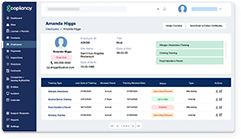
Each production site has complete records of Brewer’s Notice or Basic Permit (BW, BWC, DSP), federal bond, and TTB correspondence. Non-contiguous premises amendments tracked.
State manufacturer licenses tracked alongside federal documentation. Renewal cycles, state bond requirements, and state agency correspondence centralized per site.
On-premises tasting room permits, off-premises tasting room permits, brewpub/distillery pub authorizations, and direct-to-consumer permits all tracked per site or per location.
Where products distribute into additional states, brand registration tracked per state per brand. New brand additions trigger registration workflows in distribution states.
Per-product Certificates of Label Approval and formula approvals documented. Label changes trigger new COLA workflows. Product portfolio visibility maintained.
Federal and state excise tax registrations tracked. Reporting cycles per jurisdiction documented for compliance with TTB and state filing requirements.
Where production facilities are shared, each business’s own permits documented. Alternating premises arrangements and contract production relationships tracked.
When acquiring breweries, wineries, or distilleries, integration workflows inventory existing TTB authorizations, state licenses, and tasting room permits. Per-state regulatory approval timelines tracked through closing.
Portfolio reporting across multi-site operations — TTB status, state license currency, tasting room permits, distribution state brand registration. Ready for ownership, board, and lender review.
Frequently Asked Questions
Does Copliancy file TTB Permits Online applications?+
No. TTB applications, amendments, and renewals are filed by the operator or industry counsel through TTB Permits Online. Copliancy is the internal system of record — tracking applications in progress, capturing resulting permits, scheduling renewals, and managing the lifecycle.
How does Copliancy handle multi-site producer operations?+
Each production site has complete federal, state, and local documentation. Multi-site operations with sites in different states have per-site state manufacturer licensing tracked alongside federal authorization. Non-contiguous premises and alternating proprietorship arrangements documented.
Can Copliancy track brand registration across distribution states?+
Yes. Each brand’s registration tracked per distribution state. New product launches into new states trigger registration workflows. Brand portfolio visible across the distribution footprint.
What about tasting room permits at production sites?+
On-premises tasting room permits, off-premises tasting rooms, and brewpub/distillery pub authorizations all tracked per location. State-specific tasting room rules (Michigan’s On-Premises Tasting Room Permit, California’s tasting room frameworks, others) documented.
Does Copliancy handle craft beverage acquisitions?+
Yes. Acquisition workflows inventory TTB authorizations, state manufacturer licenses, tasting room permits, brand registrations, and COLA portfolios at acquired operations. TTB change-of-control and state regulatory approval timelines tracked.
Is Copliancy used by craft beverage producers today?+
Multi-site craft beverage producers face compliance challenges similar to other multi-jurisdiction regulated operations. Copliancy’s flexible architecture supports brewery, winery, and distillery operations including per-site federal and state licensing, tasting room compliance, and aggregate reporting.